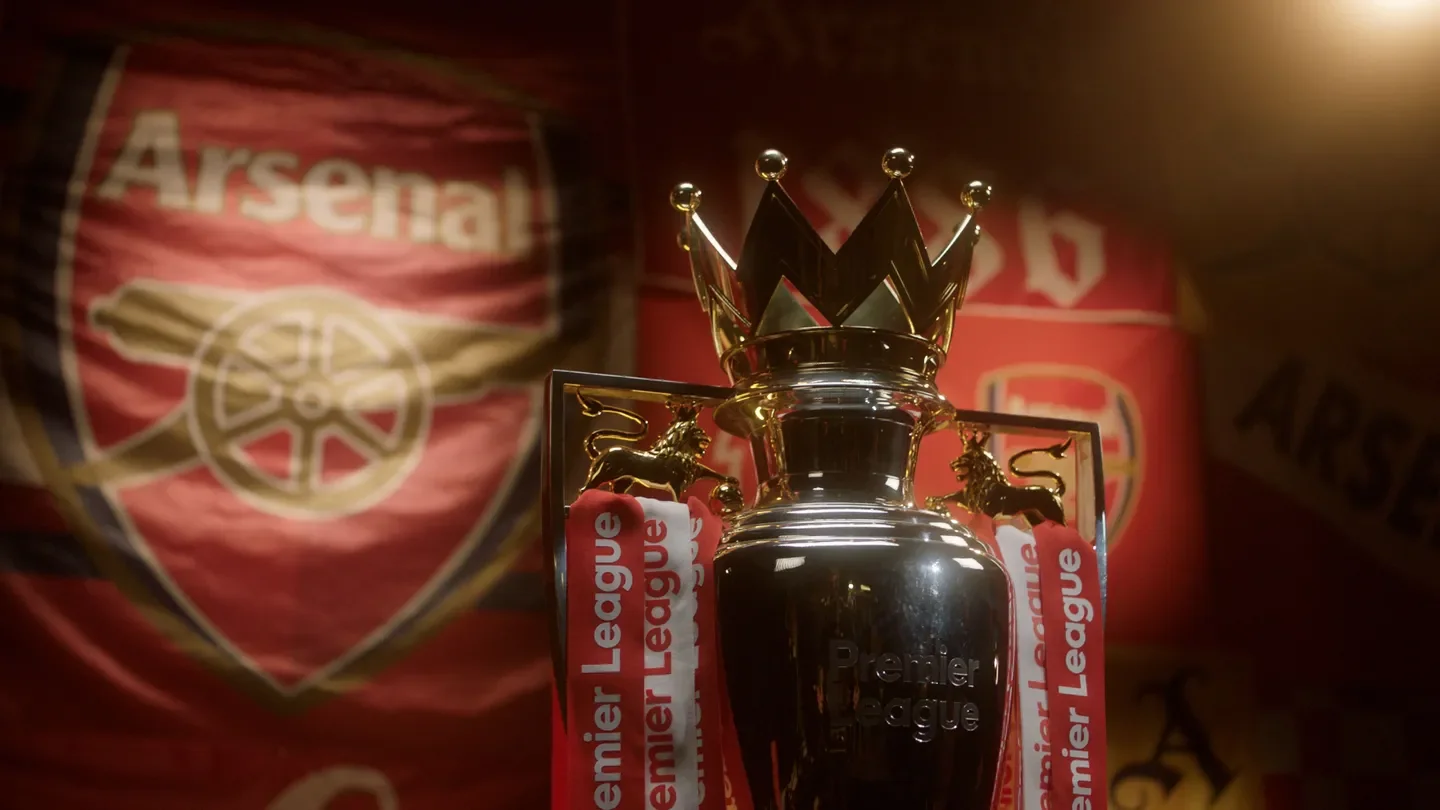
Preston North End were England's first league champions in 1888/89, while Arsenal are the latest completed champions after winning the 2025/26 Premier League. This winners list follows every awarded top-flight season between those endpoints. It stops before 2026/27 because that campaign had not begun at the August 19, 2026 cutoff.
Manchester United and Liverpool share the all-time record with 20 English top-flight titles each. That number combines championships won under the Football League, First Division and Premier League structures; it is not a count of Premier League trophies alone. The chronology below preserves those era labels so an old First Division title is counted without being renamed.
Record status: checked August 19, 2026, through the completed 2025/26 season. Each championship keeps its period-accurate competition label.
What counts as an English top-flight championship?
An English top-flight championship is the title awarded to the club that finishes first in England's highest league division. For this list, the competition's change of name and organization does not restart the sporting record. Preston North End's 1888/89 championship, Leeds United's 1991/92 championship and Arsenal's 2025/26 championship therefore each count once in the all-time total. The essential distinction is vocabulary: an older win is an English top-flight title, but it is not a Premier League title. That narrower label applies only from 1992/93.
- 1888/89–1891/92: the undivided Football League was England's highest league.
- 1892/93–1991/92: the Football League First Division was the top level.
- 1992/93 onward: the Premier League awards the English championship.
The Football League and First Division era ran from 1888/89 to 1991/92
The first four championships came from one undivided Football League. Twelve clubs entered the inaugural 1888/89 competition, and Preston North End completed it unbeaten to become the first champion. The league expanded after those formative seasons. In 1892/93 the statistical record shows separate Division 1 and Division 2 tables, so that is the first season in this guide that carries the precise First Division label. Sunderland finished first in that new top division. This wording matters because it avoids projecting a later division name backward onto Preston's inaugural campaign.
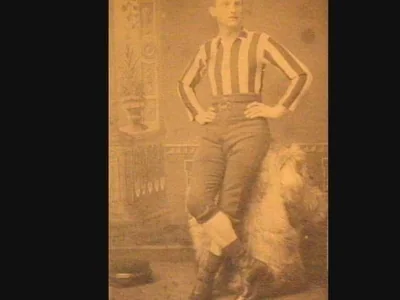
From 1892/93, the First Division remained the championship level through 1991/92. That span includes changes in club membership, schedule length and the points system, but the season's first-place club remained the English league champion. Leeds United closed the era by winning in 1991/92; the National Football Museum identifies Leeds as the last club to lift the historic top-flight Football League trophy before the Premier League formed. The next champion did not begin a separate national lineage. Manchester United inherited the same sporting prize—being champion of England—under a new Premier League competition.
The chronology is split into pre-war and post-war tables for readability, not because the all-time count resets in 1946. The archive lists awarded seasons through 1914/15, then resumes at 1919/20 after the First World War. It marks 1939/40 as abandoned and resumes the championship record in 1946/47 after the Second World War. A gap is not a missing winner to be guessed. It is a period with no completed league championship, so the later tables call it out separately and give no club an extra title.
The Premier League era begins with 1992/93
The Premier League boundary is exact: its inaugural campaign began on August 15, 1992, with 22 clubs, and Manchester United became the first winner in 1992/93. The competition replaced the old First Division at the top of the pyramid. That change created a new era and a new era-specific trophy count, but it did not turn earlier champions into champions of a different country. A club's combined English top-flight total can include both First Division and Premier League wins; its Premier League total can include only seasons from 1992/93 onward.
Through the latest completed season, 2025/26, the official roll lists 34 Premier League champions by season and seven different winning clubs. Manchester United won the first of those seasons, and Arsenal won the latest. The season-by-season table later in this guide includes that entire run so the all-era chronology has no break. It should still be read as one component of the longer list, not as evidence that the 104 seasons before 1992 disappeared from English championship history.
Readers who want post-1992 patterns, streaks and club-by-club Premier League detail should use our dedicated Premier League winners list. Here, the Premier League table stays deliberately compact: its job is to complete the sequence that starts in 1888/89. Keeping that boundary prevents two common counting errors—calling all old titles Premier League titles, or counting only the Premier League era when a question asks for all English top-flight champions.
Who won the English top flight from 1888/89 to 1938/39?
There were 47 awarded English top-flight championships from the Football League's inaugural 1888/89 season through 1938/39. Preston North End occupy the first row after completing the first campaign unbeaten, while Everton occupy the last row before normal league competition was interrupted by the Second World War. The four-season break during the First World War is shown as a note rather than filled with unofficial regional winners. Read each row as one completed national league championship.
| Season | English top-flight champion |
|---|---|
| 1888/89 | Preston North End |
| 1889/90 | Preston North End |
| 1890/91 | Everton |
| 1891/92 | Sunderland |
| 1892/93 | Sunderland |
| 1893/94 | Aston Villa |
| 1894/95 | Sunderland |
| 1895/96 | Aston Villa |
| 1896/97 | Aston Villa |
| 1897/98 | Sheffield United |
| 1898/99 | Aston Villa |
| 1899/1900 | Aston Villa |
| 1900/01 | Liverpool |
| 1901/02 | Sunderland |
| 1902/03 | The Wednesday |
| 1903/04 | The Wednesday |
| 1904/05 | Newcastle United |
| 1905/06 | Liverpool |
| 1906/07 | Newcastle United |
| 1907/08 | Manchester United |
| 1908/09 | Newcastle United |
| 1909/10 | Aston Villa |
| 1910/11 | Manchester United |
| 1911/12 | Blackburn Rovers |
| 1912/13 | Sunderland |
| 1913/14 | Blackburn Rovers |
| 1914/15 | Everton |
| 1919/20 | West Bromwich Albion |
| 1920/21 | Burnley |
| 1921/22 | Liverpool |
| 1922/23 | Liverpool |
| 1923/24 | Huddersfield Town |
| 1924/25 | Huddersfield Town |
| 1925/26 | Huddersfield Town |
| 1926/27 | Newcastle United |
| 1927/28 | Everton |
| 1928/29 | The Wednesday |
| 1929/30 | Sheffield Wednesday |
| 1930/31 | Arsenal |
| 1931/32 | Everton |
| 1932/33 | Arsenal |
| 1933/34 | Arsenal |
| 1934/35 | Arsenal |
| 1935/36 | Sunderland |
| 1936/37 | Manchester City |
| 1937/38 | Arsenal |
| 1938/39 | Everton |
The 47-row checksum is useful: it prevents wartime competitions or the abandoned 1939/40 season from being smuggled into club totals. The Football League closed after 1914/15 and returned in 1919/20, so 1915/16 through 1918/19 have no official national champion in this sequence. Normal competition began again in 1939/40 but was abandoned after war was declared; regional tournaments followed, yet their winners do not replace an English top-flight champion. The next awarded row is therefore Liverpool in 1946/47, which begins the following table.
Who won the First Division from 1946/47 to 1991/92?
Normal English championship competition returned in 1946/47, when Liverpool won the First Division, and this block runs without a missing season to Leeds United's 1991/92 title. These 46 rows are the complete post-Second-World-War portion of the old top flight. They are English top-flight championships and Football League First Division titles. None is a Premier League title, because that competition did not begin until the following campaign.
| Season | First Division champion |
|---|---|
| 1946/47 | Liverpool |
| 1947/48 | Arsenal |
| 1948/49 | Portsmouth |
| 1949/50 | Portsmouth |
| 1950/51 | Tottenham Hotspur |
| 1951/52 | Manchester United |
| 1952/53 | Arsenal |
| 1953/54 | Wolverhampton Wanderers |
| 1954/55 | Chelsea |
| 1955/56 | Manchester United |
| 1956/57 | Manchester United |
| 1957/58 | Wolverhampton Wanderers |
| 1958/59 | Wolverhampton Wanderers |
| 1959/60 | Burnley |
| 1960/61 | Tottenham Hotspur |
| 1961/62 | Ipswich Town |
| 1962/63 | Everton |
| 1963/64 | Liverpool |
| 1964/65 | Manchester United |
| 1965/66 | Liverpool |
| 1966/67 | Manchester United |
| 1967/68 | Manchester City |
| 1968/69 | Leeds United |
| 1969/70 | Everton |
| 1970/71 | Arsenal |
| 1971/72 | Derby County |
| 1972/73 | Liverpool |
| 1973/74 | Leeds United |
| 1974/75 | Derby County |
| 1975/76 | Liverpool |
| 1976/77 | Liverpool |
| 1977/78 | Nottingham Forest |
| 1978/79 | Liverpool |
| 1979/80 | Liverpool |
| 1980/81 | Aston Villa |
| 1981/82 | Liverpool |
| 1982/83 | Liverpool |
| 1983/84 | Liverpool |
| 1984/85 | Everton |
| 1985/86 | Liverpool |
| 1986/87 | Everton |
| 1987/88 | Liverpool |
| 1988/89 | Arsenal |
| 1989/90 | Liverpool |
| 1990/91 | Arsenal |
| 1991/92 | Leeds United |
Counting the rows gives 46 awarded championships, which is the checksum for this segment. Leeds' last row also supplies the clean handoff: the Premier League's own 1992/93 review calls Leeds the defending league champion before Manchester United won the new competition. For an explanation of where today's Premier League, Championship, League One and League Two sit, use our English football leagues in order guide. Those modern pyramid labels help with current navigation; they do not rewrite the names or status of championships won in this historical table.
Who has won the Premier League since 1992/93?
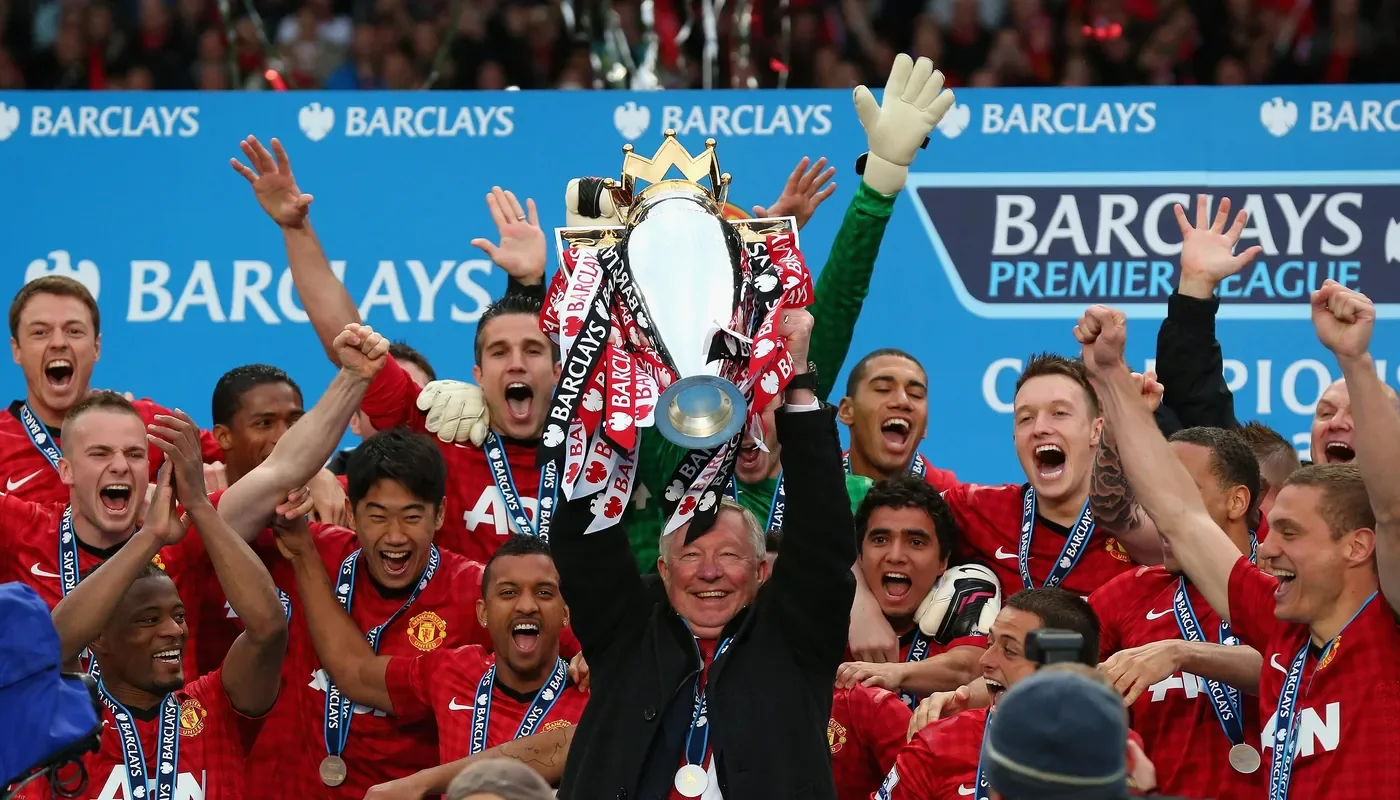
The Premier League has awarded 34 completed championships from 1992/93 through 2025/26. Manchester United won the inaugural season and lead this era with 13 titles. Arsenal won the latest completed campaign, raising their Premier League count to four. Seven clubs appear in the table, and its chronological order reverses the official newest-first roll without changing any champion. The sequence stops before 2026/27 because a live race has no completed champion.
| Season | Premier League champion |
|---|---|
| 1992/93 | Manchester United |
| 1993/94 | Manchester United |
| 1994/95 | Blackburn Rovers |
| 1995/96 | Manchester United |
| 1996/97 | Manchester United |
| 1997/98 | Arsenal |
| 1998/99 | Manchester United |
| 1999/00 | Manchester United |
| 2000/01 | Manchester United |
| 2001/02 | Arsenal |
| 2002/03 | Manchester United |
| 2003/04 | Arsenal |
| 2004/05 | Chelsea |
| 2005/06 | Chelsea |
| 2006/07 | Manchester United |
| 2007/08 | Manchester United |
| 2008/09 | Manchester United |
| 2009/10 | Chelsea |
| 2010/11 | Manchester United |
| 2011/12 | Manchester City |
| 2012/13 | Manchester United |
| 2013/14 | Manchester City |
| 2014/15 | Chelsea |
| 2015/16 | Leicester City |
| 2016/17 | Chelsea |
| 2017/18 | Manchester City |
| 2018/19 | Manchester City |
| 2019/20 | Liverpool |
| 2020/21 | Manchester City |
| 2021/22 | Manchester City |
| 2022/23 | Manchester City |
| 2023/24 | Manchester City |
| 2024/25 | Liverpool |
| 2025/26 | Arsenal |
The seven club totals provide a second check on the 34 rows: 13 Manchester United titles, eight Manchester City, five Chelsea, four Arsenal, two Liverpool, one Blackburn Rovers and one Leicester City. Those numbers sum to 34. For an active campaign, use the current Premier League table to follow points and positions. A live leader belongs in current standings, not in this historical list; add a season row only after its championship is decided.
Which clubs have won the most English top-flight titles?
Manchester United and Liverpool share the English top-flight record with 20 championships each. Arsenal follow on 14 and Manchester City on 10. In all, 24 clubs account for the 127 awarded championships from 1888/89 through 2025/26. This is a count of first-place league finishes, not a subjective ranking of teams, managers or title difficulty. Each club appears once in the table below even if its wins cross the 1992 boundary.
Audit rule: 93 pre-1992 championships plus 34 Premier League championships equals 127 combined awards. A row's two era columns must add to its all-time total; the Premier League column cannot be substituted for the combined figure.
Manchester United and Liverpool share the record on 20
The joint leaders reached 20 by different routes. Manchester United won seven championships before the Premier League and 13 under the Premier League name. Liverpool won 18 before 1992/93 and two afterward. Both calculations equal 20, so neither club can be called the sole all-time leader at the 2025/26 cutoff. The complete table keeps those component figures visible instead of presenting a combined total with no audit trail.
| Club | Pre-1992 titles | Premier League titles | All-time total |
|---|---|---|---|
| Manchester United | 7 | 13 | 20 |
| Liverpool | 18 | 2 | 20 |
| Arsenal | 10 | 4 | 14 |
| Manchester City | 2 | 8 | 10 |
| Everton | 9 | 0 | 9 |
| Aston Villa | 7 | 0 | 7 |
| Sunderland | 6 | 0 | 6 |
| Chelsea | 1 | 5 | 6 |
| Newcastle United | 4 | 0 | 4 |
| Sheffield Wednesday | 4 | 0 | 4 |
| Huddersfield Town | 3 | 0 | 3 |
| Wolverhampton Wanderers | 3 | 0 | 3 |
| Leeds United | 3 | 0 | 3 |
| Blackburn Rovers | 2 | 1 | 3 |
| Preston North End | 2 | 0 | 2 |
| Portsmouth | 2 | 0 | 2 |
| Burnley | 2 | 0 | 2 |
| Tottenham Hotspur | 2 | 0 | 2 |
| Derby County | 2 | 0 | 2 |
| Sheffield United | 1 | 0 | 1 |
| West Bromwich Albion | 1 | 0 | 1 |
| Ipswich Town | 1 | 0 | 1 |
| Nottingham Forest | 1 | 0 | 1 |
| Leicester City | 0 | 1 | 1 |
The table has three checks: every row satisfies pre-1992 plus Premier League equals all-time; the era columns sum to 93 and 34; and the combined column sums to 127. Arsenal's 2025/26 win is already included, producing 10 older championships plus four Premier League titles. Counts show frequency, not quality. They do not decide which champion was strongest, which title was hardest or which club will win next.
Historic champions without a Premier League-era title
Seventeen of the 24 English champion clubs have no title in the Premier League column. Together they won 53 championships before 1992/93, so excluding them would remove more than two-fifths of the complete 127-title record. Everton lead this subset with nine, followed by Aston Villa with seven and Sunderland with six. The zero is era-specific: it says only that the club has not finished first under the Premier League name.
- Nine to six titles: Everton (9), Aston Villa (7) and Sunderland (6).
- Four titles: Newcastle United and Sheffield Wednesday.
- Three titles: Huddersfield Town, Wolverhampton Wanderers and Leeds United.
- Two titles: Preston North End, Portsmouth, Burnley, Tottenham Hotspur and Derby County.
- One title: Sheffield United, West Bromwich Albion, Ipswich Town and Nottingham Forest.
This group should not be mistaken for a list of clubs that never played in the Premier League, clubs outside today's division or clubs without other honors. Tottenham and Everton, for example, are familiar Premier League participants while their English championships in this table predate 1992/93. Conversely, Leicester City are absent from the group because their single top-flight championship came in the Premier League era. The column boundary answers one narrow historical question and makes no broader judgment about status or achievement.
How should you use this winners list?
Choose the table that matches the question before quoting a number. The season-by-season tables answer who won in a particular campaign, while the club table answers how many English top-flight championships a team has collected. The era columns then show whether those awards came before the Premier League, from 1992/93 onward, or across both periods. This edition is complete through 2025/26 and was checked on August 19, 2026. It deliberately does not name a 2026/27 champion because that campaign has not produced a final winner.
- Start with the paired season. Search for `1988/89`, for example, rather than using only the calendar year in which the trophy was lifted. RSSSF's source chronology commonly identifies a campaign by its ending year; the tables here expand that to the familiar two-year label.
- Check the era. A row before 1992/93 is an English top-flight Football League or First Division championship. A row from 1992/93 onward is a Premier League championship. Both count toward the all-time English total, but only the latter belongs in the Premier League column.
- Normalize historic club names carefully. `The Wednesday` and `Sheffield Wednesday` are consolidated into one club total here. Do not create two entries merely because an archive preserves the name used in an older season.
- Do not fill wartime gaps with regional winners. The official league stopped during both world wars, and RSSSF explicitly treats the First World War regional competitions as unofficial for championship totals. The interrupted 1939/40 competition also produced no completed league champion.
- Stop at the latest decided season. A live table can show who leads, but it is not a winners list. Add a new row only after the championship is settled and verify it against an official competition report.
The shared record illustrates why the columns matter. Liverpool's 20 combines 18 pre-Premier League championships with two Premier League titles. Manchester United also has 20, built from seven pre-1992 championships and 13 in the Premier League era. Saying that both clubs have won the English top flight 20 times is accurate; saying that both have 20 Premier League titles is not. The same arithmetic lets you compare Arsenal's 10 plus four or Manchester City's two plus eight without erasing either period.
For a citation or spreadsheet, record the season label, club name, era and the date you checked the source. That small audit trail prevents a current leader from being mistaken for a completed champion and makes later updates simple: verify the newly decided season, add exactly one row, and recalculate the Premier League and combined checksums. If a historical source uses an old club label or ending-year notation, preserve that detail in your notes while presenting one consistent name and paired-season format to readers.
English top-flight winners FAQs
These answers use completed English top-flight championships through 2025/26, with facts checked on August 19, 2026. The distinction between an English championship and a Premier League championship matters throughout: the all-time record begins with the Football League in 1888/89, while the Premier League record begins in 1992/93. That is why a club can have a larger all-time total than its Premier League total.
Each answer states the result first and keeps the relevant season or era attached. The detailed tables above provide the audit trail, including the split between historic and Premier League awards. The unfinished 2026/27 campaign is excluded because a current position is not yet a championship result.
Who won the first English league title?
Preston North End won the first English league title in 1888/89. They were one of the Football League's 12 inaugural clubs and completed that league campaign unbeaten. That makes Preston the first champion in this chronology.
Preston also won the FA Cup that season, but the league championship is the award relevant here. They retained the league title in 1889/90, giving them two English top-flight championships in total. An archive may list the inaugural championship under its ending year, 1889; that label and 1888/89 refer to the same campaign, not two different titles.
Who has won the most English top-flight titles?
Manchester United and Liverpool jointly hold the record with 20 English top-flight titles each. That tie remains current through the completed 2025/26 season. “Joint record” is therefore the accurate wording for the all-time question.
Their routes to 20 are different: United won seven championships before the Premier League and 13 after it began, while Liverpool won 18 before 1992/93 and two in the Premier League era. For a Premier League-only question, Manchester United lead on 13. Naming the competition scope alongside the number prevents two valid records from being presented as the same statistic.
Do First Division titles count as Premier League titles?
No. First Division titles count as English top-flight championships, but they do not count as Premier League titles. The Premier League replaced the old First Division at the top of the pyramid for 1992/93, and Manchester United won the new competition's inaugural championship.
A combined all-time total can legitimately add awards from both eras because each was won at England's highest league level. A Premier League-only total, however, must start in 1992/93. Separate pre-1992, Premier League and combined columns preserve the historical continuity while avoiding the inaccurate use of a later competition name for earlier trophies.
Comments
Ask a useful question or share a helpful tip. Comments are reviewed before publication.
Loading comments…