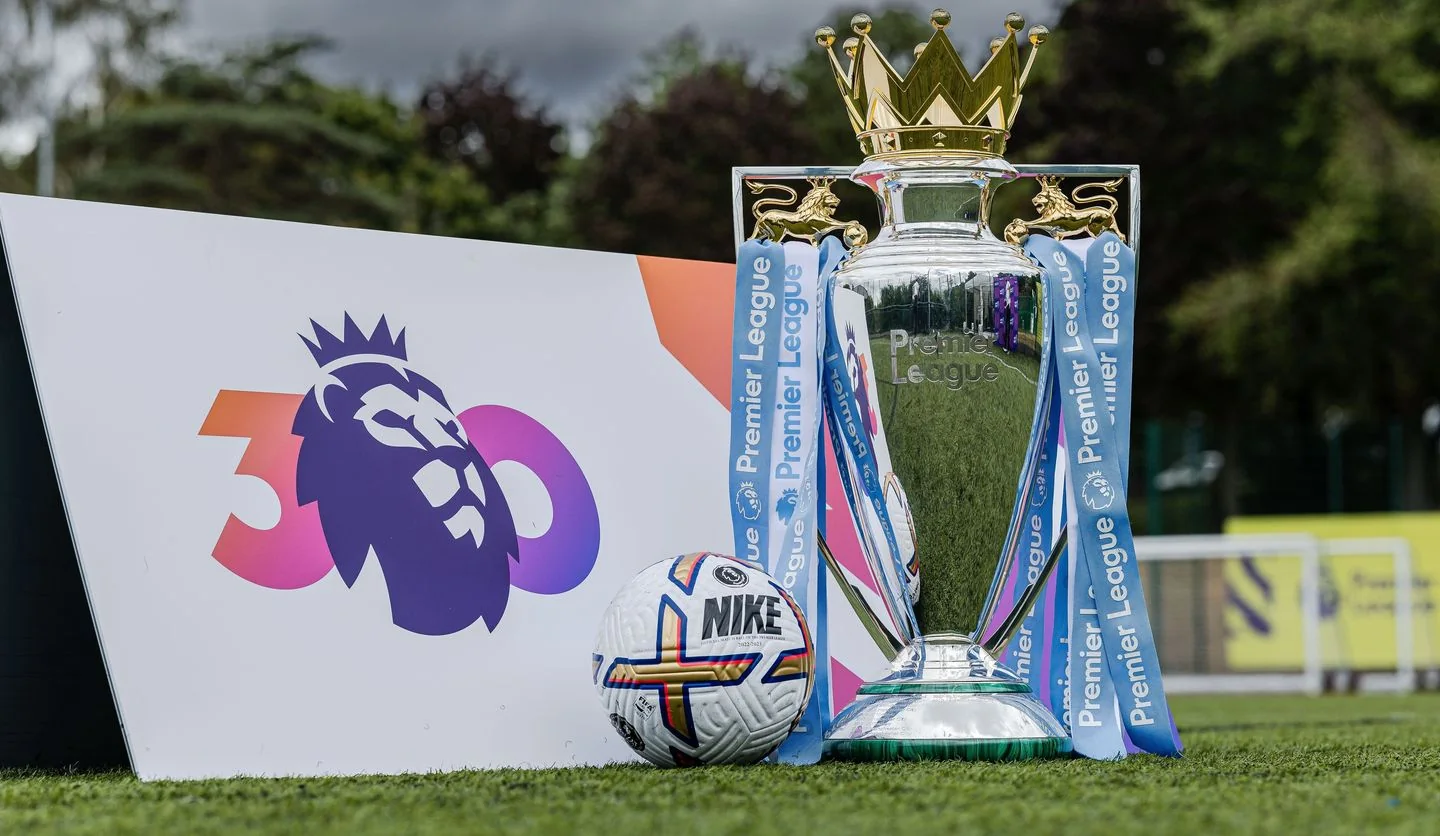
Fifty-one different clubs have played in the Premier League from its first season in 1992/93 through the current 2026/27 campaign. This guide counts a club as soon as it is formally a member for a Premier League season, so the appearance totals below include 2026/27 even though the opening round has not yet been played. That boundary matters: the Premier League era begins in 1992, not with the much older history of England's top division under the Football League First Division name.
The total is still 51 in 2026/27. Coventry City, Ipswich Town and Hull City were promoted and formally admitted at the Premier League's June 2026 Annual General Meeting, but all three had played in the competition before. They are returning members, not first-time entrants. A new promoted club increases the historical total only when it begins its first Premier League season; a familiar club coming back simply adds another season and, sometimes, another separate spell to its existing record.
Use the alphabetical table as a date-stamped historical reference, then use the site's current Premier League schedule when you need this season's teams, fixtures or match dates. The history does not change after every result, but current membership changes at the season boundary through promotion and relegation. This article was checked on 13 August 2026 and states clearly where an active season is included, so completed history is not confused with a prediction about what will happen during 2026/27.
Complete list of every Premier League club since 1992
The table contains every distinct club in alphabetical order. “First season” means the club's first campaign in the Premier League, not its first season in England's top flight. “PL seasons” counts every campaign in which it was a member, including the current 2026/27 season. The last column is checked against the official 2026/27 table, so it separates today's 20 members from the wider historical group of 51.
| Club | First PL season | PL seasons through 2026/27 | 2026/27 member? |
|---|---|---|---|
| AFC Bournemouth | 2015/16 | 10 | Yes |
| Arsenal | 1992/93 | 35 | Yes |
| Aston Villa | 1992/93 | 32 | Yes |
| Barnsley | 1997/98 | 1 | No |
| Birmingham City | 2002/03 | 7 | No |
| Blackburn Rovers | 1992/93 | 18 | No |
| Blackpool | 2010/11 | 1 | No |
| Bolton Wanderers | 1995/96 | 13 | No |
| Bradford City | 1999/00 | 2 | No |
| Brentford | 2021/22 | 6 | Yes |
| Brighton & Hove Albion | 2017/18 | 10 | Yes |
| Burnley | 2009/10 | 10 | No |
| Cardiff City | 2013/14 | 2 | No |
| Charlton Athletic | 1998/99 | 8 | No |
| Chelsea | 1992/93 | 35 | Yes |
| Coventry City | 1992/93 | 10 | Yes |
| Crystal Palace | 1992/93 | 18 | Yes |
| Derby County | 1996/97 | 7 | No |
| Everton | 1992/93 | 35 | Yes |
| Fulham | 2001/02 | 20 | Yes |
| Huddersfield Town | 2017/18 | 2 | No |
| Hull City | 2008/09 | 6 | Yes |
| Ipswich Town | 1992/93 | 7 | Yes |
| Leeds United | 1992/93 | 17 | Yes |
| Leicester City | 1994/95 | 18 | No |
| Liverpool | 1992/93 | 35 | Yes |
| Luton Town | 2023/24 | 1 | No |
| Manchester City | 1992/93 | 30 | Yes |
| Manchester United | 1992/93 | 35 | Yes |
| Middlesbrough | 1992/93 | 15 | No |
| Newcastle United | 1993/94 | 32 | Yes |
| Norwich City | 1992/93 | 10 | No |
| Nottingham Forest | 1992/93 | 10 | Yes |
| Oldham Athletic | 1992/93 | 2 | No |
| Portsmouth | 2003/04 | 7 | No |
| Queens Park Rangers | 1992/93 | 7 | No |
| Reading | 2006/07 | 3 | No |
| Sheffield United | 1992/93 | 6 | No |
| Sheffield Wednesday | 1992/93 | 8 | No |
| Southampton | 1992/93 | 25 | No |
| Stoke City | 2008/09 | 10 | No |
| Sunderland | 1996/97 | 18 | Yes |
| Swansea City | 2011/12 | 7 | No |
| Swindon Town | 1993/94 | 1 | No |
| Tottenham Hotspur | 1992/93 | 35 | Yes |
| Watford | 1999/00 | 8 | No |
| West Bromwich Albion | 2002/03 | 13 | No |
| West Ham United | 1993/94 | 30 | No |
| Wigan Athletic | 2005/06 | 8 | No |
| Wimbledon | 1992/93 | 8 | No |
| Wolverhampton Wanderers | 2003/04 | 12 | No |
A season total is not the same as a continuous spell. Aston Villa, for example, have 32 Premier League seasons through 2026/27 but two spells because relegation after 2015/16 interrupted their membership before the club returned in 2019/20. Hull's sixth season is a fourth spell. The table deliberately keeps one row per club: relegation pauses the count, and promotion resumes it instead of creating a second entry.
“Yes” means only that the club appears in the official 2026/27 Premier League table. It does not mean the club is permanently entitled to remain in the competition, and “No” does not erase previous Premier League seasons. Because three clubs leave and three arrive after each completed campaign, current status is the most changeable field in this historical reference; first-season data and past appearances remain fixed.
The 22 founding Premier League clubs
For this guide, a founding club is one that competed in the inaugural 1992/93 Premier League. The first campaign began on 15 August 1992 with 22 members, nine Saturday matches and the competition's first goal from Sheffield United's Brian Deane. That definition is deliberately tied to the playing season: it gives supporters a clean, auditable list rather than mixing early negotiations with the teams that actually took part.
- Arsenal
- Aston Villa
- Blackburn Rovers
- Chelsea
- Coventry City
- Crystal Palace
- Everton
- Ipswich Town
- Leeds United
- Liverpool
- Manchester City
- Manchester United
- Middlesbrough
- Norwich City
- Nottingham Forest
- Oldham Athletic
- Queens Park Rangers
- Sheffield United
- Sheffield Wednesday
- Southampton
- Tottenham Hotspur
- Wimbledon
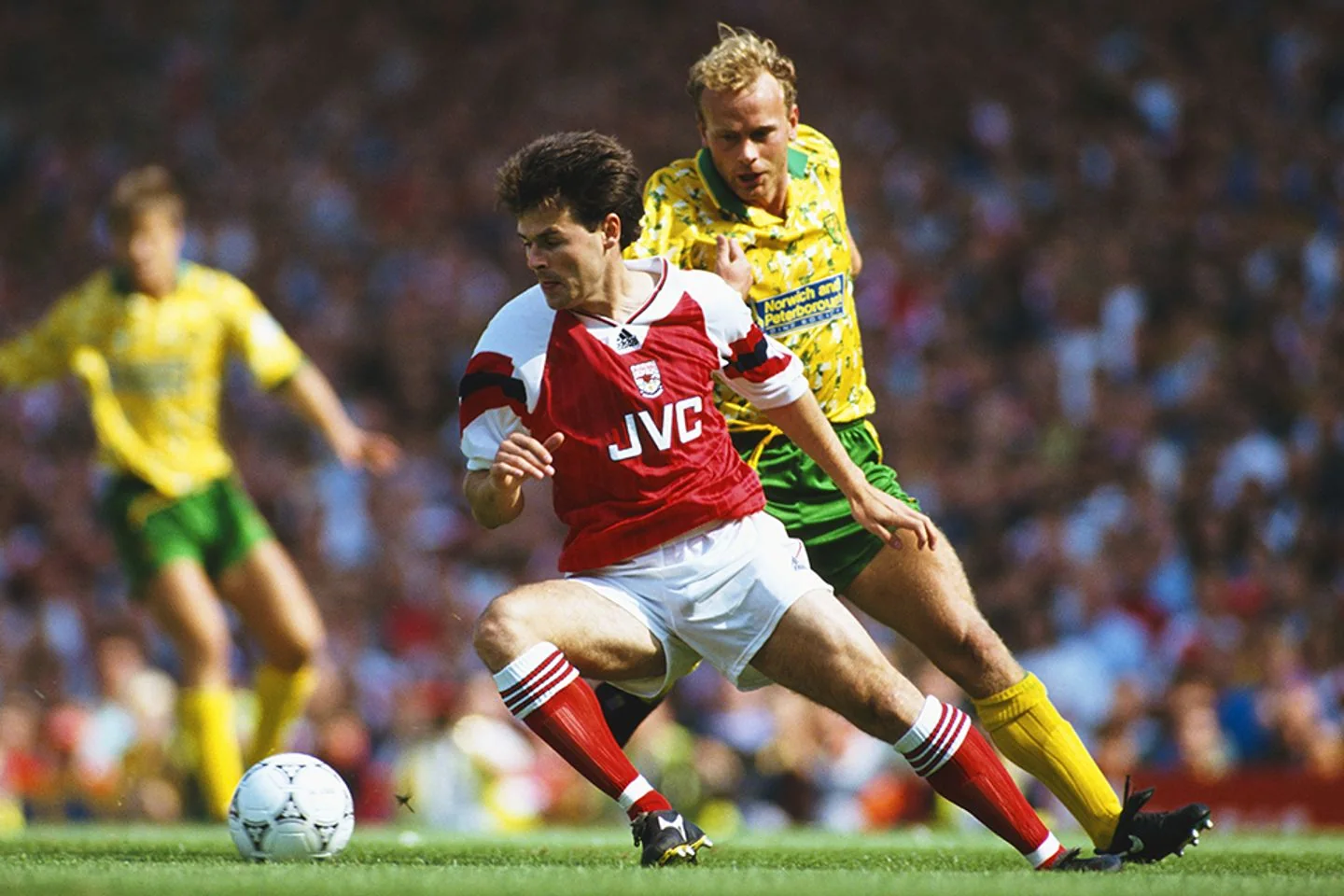
The 22-club format was never meant to be permanent. The official origins account says a reduction to 20 was part of the plan, and it arrived after 1994/95: four clubs went down and only two came up. From 1995/96 onward, a standard Premier League season has had 20 members rather than 22.
The six clubs that have played in every season
Arsenal, Chelsea, Everton, Liverpool, Manchester United and Tottenham Hotspur are the six ever-present Premier League clubs. Each has been a member from 1992/93 through 2026/27, giving each 35 appearances when the current campaign is included. “Ever-present” is a participation record, not a claim that each club won the title or finished near the top every year. Supporters following one of those uninterrupted records can move from this historical guide to a live team page, such as the Arsenal Premier League schedule.
The label is narrower than “has never been relegated since joining.” Brighton & Hove Albion and Brentford have not been relegated since their Premier League debuts in 2017/18 and 2021/22 respectively, but they were absent from all earlier seasons and therefore cannot be ever-present. Founder status is broader in a different direction: Aston Villa were one of the original 22, yet relegation after 2015/16 interrupted their run before promotion restored them in 2019/20. Always state the era boundary, because Premier League-era non-relegation is not the same as an unbroken top-flight record across the whole history of English football.
Founder member does not mean every old First Division club
The old Football League First Division was England's top tier immediately before the Premier League, but the two labels do not cover the same participation list. A club could help approve the new competition and still fail the practical test used here: playing in 1992/93. Luton Town illustrate the distinction. The Premier League's own 2023 playoff coverage says Luton were in the final First Division season and approved the Premier League's formation, yet the club did not make its Premier League debut until 2023/24.
Luton, Notts County and West Ham United were in the 1991/92 top flight but were relegated before the inaugural Premier League campaign. West Ham returned quickly and first played in the Premier League in 1993/94. Luton waited more than three decades, while Notts County have never played in the competition. That is why none appears among the playing list of 22 founders above. Corporate and negotiation histories may use broader language, but throughout this guide founding club means an inaugural 1992/93 participant.
How the list grew from 22 clubs to 51
The cumulative list grows only when a promoted team has never played in the Premier League before. The original 22 supplied the starting point; another 29 clubs made later debuts, producing today's total of 51. Promotion still replaces relegated clubs every season, but most promoted teams are returnees. Norwich coming back for another spell, for example, changes that season's membership without creating another historical club. This is why adding the three promoted teams across 34 season changes would produce a wildly incorrect total.
Official Premier League milestone reports make the recent sequence easy to audit. Brighton & Hove Albion became club number 48 for 2017/18, while Huddersfield Town joined in the same season as number 49. Brentford were number 50 in 2021/22, and Luton Town became number 51 in 2023/24. In this context, a “debutant” is new to the Premier League era. It does not necessarily mean the football club was newly formed or had never previously played in England's old top division.
Premier League debutants by era
The 29 clubs below joined the historical list after 1992/93. Grouping them by era reveals that a “newly promoted club” is not always a new name in Premier League history: many seasons added no debutant because all promoted teams had appeared before. These dates record each club's first Premier League membership only. Several, including Newcastle, Brighton and Brentford, had older First Division experience before their Premier League bow.
- 1993/94–1999/00: Newcastle United, Swindon Town and West Ham United (1993/94); Leicester City (1994/95); Bolton Wanderers (1995/96); Derby County and Sunderland (1996/97); Barnsley (1997/98); Charlton Athletic (1998/99); Bradford City and Watford (1999/00).
- 2001/02–2011/12: Fulham (2001/02); Birmingham City and West Bromwich Albion (2002/03); Portsmouth and Wolverhampton Wanderers (2003/04); Wigan Athletic (2005/06); Reading (2006/07); Hull City and Stoke City (2008/09); Burnley (2009/10); Blackpool (2010/11); Swansea City (2011/12).
- 2013/14–2023/24: Cardiff City (2013/14); AFC Bournemouth (2015/16); Brighton & Hove Albion and Huddersfield Town (2017/18); Brentford (2021/22); Luton Town (2023/24).
The stream of first-timers has slowed as the historical pool has grown. From 2017/18 through 2023/24, only Brighton, Huddersfield, Brentford and Luton added new rows, even though promotion occurred every season. That observation does not prove that another debut is unlikely; it simply explains why three promoted clubs should never automatically be described as three new Premier League clubs. Check each club's first-season field before changing the lifetime total.
Why Luton Town are still the 51st club
Luton Town became the Premier League's 51st distinct club in 2023/24. They were the first debutant since Brentford in 2021/22. Luton's relegation after that single season did not lower the number: an all-time participation list records that the appearance happened, regardless of where the club plays later. The next genuine first-timer will therefore be number 52, but only after promotion and formal membership are confirmed.
No such first-timer entered for 2026/27. Coventry City and Ipswich Town were founders in 1992/93, while Hull City first appeared in 2008/09. Their promotion made them the season's newest members, but not new historical clubs. A reader checking Coventry's current team schedule sees a newly restored Premier League membership; the all-time ledger sees a tenth season added to a row that has existed since 1992. That two-view method prevents promotional wording from accidentally producing a fictional 52nd, 53rd or 54th club.
Promotion and relegation shaped each club's Premier League story
The Premier League has 20 current members because status is renewed through the football pyramid. Under the standard format, the bottom three Premier League clubs are relegated. The Championship's top two earn automatic promotion and a third club comes through the playoffs. The formal season changeover then occurs at the Premier League AGM: outgoing clubs return the shares associated with membership, and the promoted clubs receive new share certificates and enter the register.
That process explains both the compact current table and the much larger all-time list. Relegation removes a club from the next season, not from history. Promotion can begin a debut season or reopen an existing record. Hull City followed the second path after winning the 2026 Championship playoff final: 2026/27 is their sixth Premier League season and fourth separate spell, rather than a new club entry.

For supporter planning, wait for sporting and formal confirmation before moving a club into the current-season group. A playoff place is not promotion, and a relegation battle does not change membership before its outcome is settled. Once the changeover is official, use the current fixture schedule to find the new 20-team field. Keep the historical row regardless of the club's present division, and add one season only when membership for that campaign is confirmed.
Repeat promotions and separate Premier League spells
A Premier League “spell” is a run of consecutive seasons uninterrupted by relegation. Norwich City have had six separate spells, the most in the historical ledger, and the official records also list Norwich with a competition-record six relegations. Those figures reveal repeated movement, but they do not mean Norwich have only six Premier League seasons: the club has ten in total. Season count measures duration; spell count measures how that duration was divided.
Promotion count is another distinct statistic. The official record lists West Bromwich Albion, Norwich, Leicester City, Sunderland and Burnley with five promotions to the Premier League. A founding club's first 1992/93 membership was not a promotion into an existing Premier League, so promotion and spell totals need not match. Hull provide a useful current example: their 2026 return starts a fourth spell, while the campaign is their sixth season overall. Before comparing clubs, decide whether the question is about total years, uninterrupted stays, promotions earned or relegations suffered.
The four clubs with only one Premier League season
Four clubs have exactly one Premier League season through 2026/27: Swindon Town, Barnsley, Blackpool and Luton Town. Lists that say “including Barnsley, Blackpool and Luton” are giving examples rather than the complete answer; Swindon's 1993/94 campaign belongs in the group. The statistic begins in 1992/93 and does not count any older First Division participation.
| Club | Only Premier League season | What followed |
|---|---|---|
| Swindon Town | 1993/94 | Relegated |
| Barnsley | 1997/98 | Relegated |
| Blackpool | 2010/11 | Relegated |
| Luton Town | 2023/24 | Relegated |
“One-season club” is a current historical description, not a permanent rank. A future promotion would start a second season and immediately move that club out of this group, while its original campaign would remain unchanged. It also says nothing by itself about the club's age, support or achievements outside the Premier League. The safe comparison is narrow: each of these four has occupied one of the competition's seasonal membership places once as of the stated cutoff.
Welsh clubs and the Wimbledon identity exception
Cardiff City and Swansea City are the two Welsh-located clubs in the 51-team list. Their inclusion is not a geographic mistake: both participate in the English national league system, a category explicitly recognized in EFL rules. Swansea have seven Premier League seasons, from 2011/12 through 2017/18, while Cardiff have two, in 2013/14 and 2018/19. The relevant test is competition membership, not whether the club's home ground sits in England or Wales.
Wimbledon require a different kind of care. The club listed as Wimbledon played eight Premier League seasons from 1992/93 through 1999/00. Wimbledon FC later moved to Milton Keynes, and the FA's historical coverage states that AFC Wimbledon were formed in 2002 following that move. For a participation ledger, the safest treatment is literal: the eight seasons remain one historical “Wimbledon” row. Neither AFC Wimbledon nor Milton Keynes Dons has separately appeared in the Premier League, so neither should be added as a 52nd club or given a Premier League debut season.
Use actual competition membership as the classification rule. Include a Welsh club when it plays in the English league system and reaches the Premier League; record the name that occupied the Premier League place; do not manufacture extra participants from a later relocation, successor debate or similarly named club.
How to verify a club's current Premier League status
Current status is the one field in an all-time club list that must be rechecked every season. The Premier League AGM formalises the changeover after promotion and relegation, and the official table then resets with the new 20. A news report saying a club is chasing promotion is not enough, while last season's table is already stale after the changeover. Use a dated source sequence instead of relying on a search snippet.
- Check the current Premier League tableConfirm that the club is one of the 20 registered for the selected season.
- Open the fixture schedule or team pageVerify the club's scheduled opponents and dates; remember that kickoff details can change.
- Separate participation from achievementUse the Premier League winners list only when the question is whether the club won the competition, not whether it merely played in it.
An absent club can still belong in this article because historical participation does not expire. Conversely, a Championship club should not be marked current simply because promotion looks likely. Wait for the final sporting result and formal season changeover, then update the status column, add one season to a returning club or add one new row for a true debutant. This keeps travel and viewing information current without allowing live-season movement to rewrite the fixed record.
Frequently asked questions
These short answers use one consistent boundary: Premier League membership from 1992/93 through the current 2026/27 campaign, checked on 13 August 2026. They count the active season after its formal membership changeover, even before its first match, and they count a distinct club only once across all of its spells.
Questions about every English top-flight club since 1888, total First Division seasons or all-time league titles require a broader dataset. The answers below deliberately remain Premier League-only, matching the article's title and the complete table above.
How many clubs have played in the Premier League?
Fifty-one clubs have played in the Premier League through 2026/27. The total consists of the 22 inaugural 1992/93 members and 29 clubs that debuted later. Luton Town most recently increased it by becoming number 51 in 2023/24. Coventry City, Ipswich Town and Hull City returned for 2026/27, but each already had a historical row. The total will become 52 only when another club begins its first-ever Premier League season.
How many clubs play in the Premier League each season?
Twenty clubs play in a standard modern Premier League season. Each faces the other 19 once at home and once away, producing 38 league matches per club. The historical exception is important: the first three campaigns, from 1992/93 through 1994/95, had 22 clubs. Four teams were relegated and two promoted after 1994/95, reducing the division to 20 for 1995/96. Do not confuse this seasonal field of 20 with the 51 distinct clubs in the all-time participation list.
Which clubs have never missed a Premier League season?
Arsenal, Chelsea, Everton, Liverpool, Manchester United and Tottenham Hotspur have appeared in every Premier League season from 1992/93 through 2026/27, an inclusive total of 35 campaigns. This is a Premier League-era record, not an all-time English top-flight claim. Brighton and Brentford have never been relegated since their later debuts, but they missed the seasons before joining and therefore are not part of the ever-present six.
Comments
Ask a useful question or share a helpful tip. Comments are reviewed before publication.
Loading comments…