Premier League Mornings Live is a US fan festival built around watching Premier League matches together on big screens. It combines that shared viewing with a live studio-show setting and event activities. It is not an English club match played at the American host venue, and its festival ticket is not admission to a Premier League stadium fixture.
As of 12 October 2026, the Denver festival advertised for 10–11 October has ended, and the league’s event page says registration is closed. This guide uses Denver as a dated example to explain how to evaluate a future announced festival. It does not identify an unannounced next city or offer current Denver registration.
What Premier League Mornings Live actually is
The central experience is communal viewing. You watch the league fixtures on screens while sharing the reactions of other supporters, rather than seeing the visiting English teams play on a pitch in front of you. The official event description makes that format clear. This distinction matters when deciding whether to travel: someone seeking a stadium view of the players needs a different kind of event. Someone wanting a morning of football conversation, competing club shirts and collective goal celebrations is evaluating the right format.
The broadcast and activities add another layer. Denver’s venue announcement described the on-site studio team, interactive experiences, club legends, the trophy and mascots. These features help explain why the festival can appeal beyond the people concentrating on one match. They do not establish that every attendee will meet a presenter, get a particular autograph or appear on television. Treat the announced programme as a menu of possibilities and check the eventual event-specific arrangements for any experience that is essential to your trip.
Choose your main objective before arrival. If your club’s game is the reason you are going, organize the morning around being ready to watch that fixture, with activities fitted around it. If your priority is meeting other supporters and exploring, you may prefer a less rigid schedule. A group can combine those approaches by agreeing when to watch together and when to separate. The festival setting creates choices that a normal living-room broadcast does not, but trying to complete every activity while also watching every minute can make the day unnecessarily rushed.

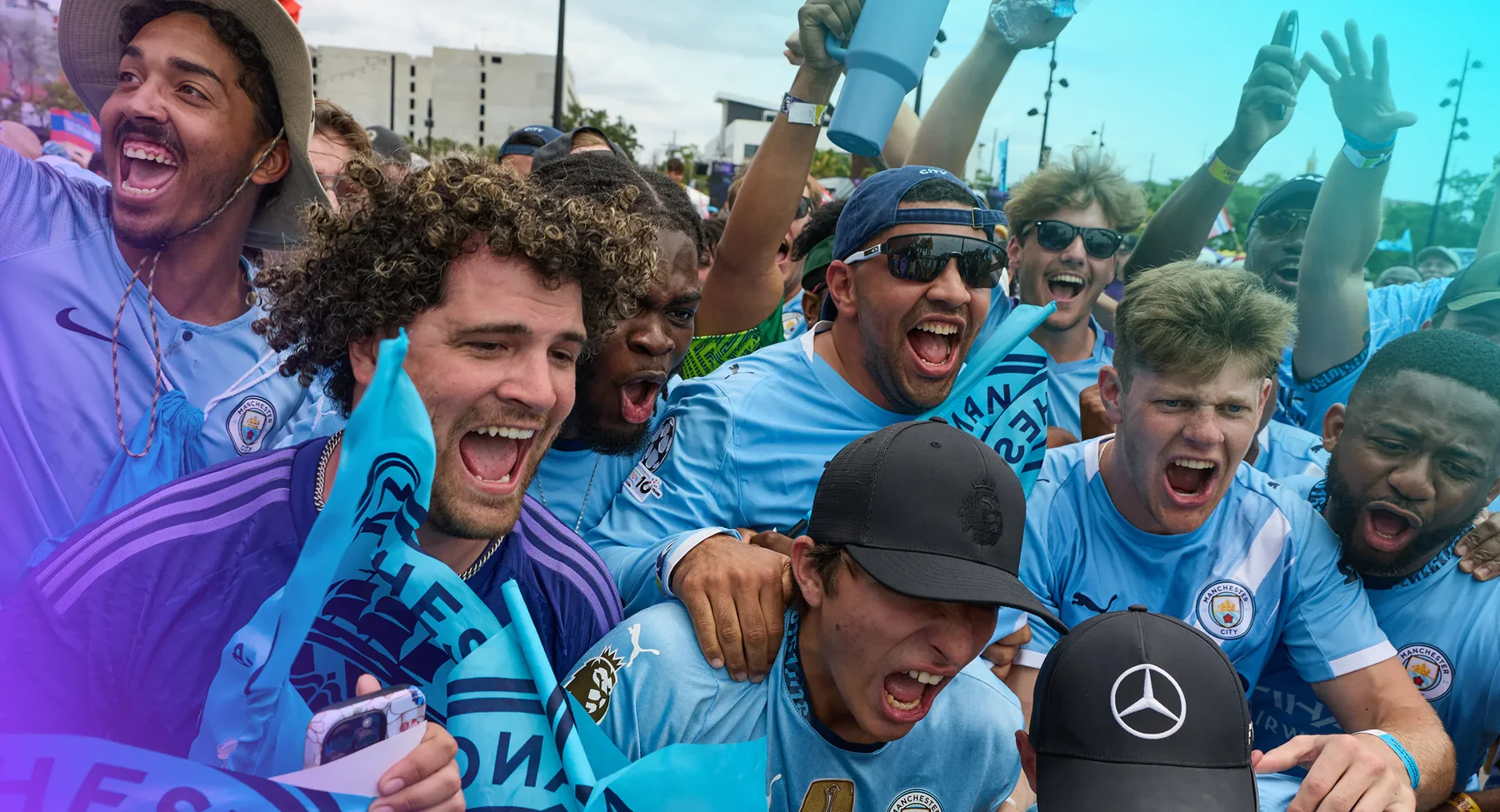
Archived artwork is useful for understanding the format, provided you read its dates. The Denver image shows the festival’s mix of supporters, studio personalities and club imagery. Its registration invitation belongs to that completed event. Do not treat a saved poster, an old search preview or an undated social repost as a current ticket offer. A future visit starts with a new official destination and date announcement, followed by the admission instructions for that particular festival.
Free registration, tickets and entry are different steps
Free admission describes the ticket price, not permission to enter without completing the event’s process. Denver’s published instructions required registration and a ticket. The league now states that registration is closed, so those instructions explain the completed festival rather than a transaction you can perform today. For a future festival, read the new admission page from beginning to end. Separate three questions: who must register, what confirmation each person needs, and what happens at the gate. A promotional headline saying “free” cannot settle all three.
Denver’s event-specific FAQ described Saturday, Sunday or both-day tickets subject to availability and emailed QR codes, including for children. That example shows why a group should coordinate dates and people before registration. Agree which day you actually intend to attend, check the future event’s rules for each member and avoid assuming one person’s confirmation automatically covers everyone. A two-day festival does not necessarily mean every registration covers both days. Keep individual confirmations organized so the group can identify an omission while there is still time to ask the organizer.
After a future registration, inspect the confirmation rather than stopping at a successful button click. Match the event name, date and registered people to your plan, and follow the stated ticket-storage instructions. If confirmation is missing, use the official contact route before the morning of the event. This is especially helpful when one person coordinates a larger group: assign responsibility for checking each ticket instead of letting everyone assume someone else has done it. For Denver 2026, there is no current registration step to complete; an old form or saved QR instruction does not reopen the festival.
Read capacity conditions before booking a trip
Denver’s published conditions made a crucial distinction: registration did not guarantee entry, and admission was first come, first served for registered guests, with no walk-ins. That is different from buying a reserved stadium seat. A confirmation can establish that you completed the registration step while still leaving capacity conditions to be met on arrival. Read the new festival’s terms for the equivalent distinction. Do not infer a guaranteed viewing position, unrestricted re-entry or a particular queue priority unless the organizer expressly provides it.
The practical consequences depend on your circumstances. A local supporter can evaluate an early morning outing differently from a family considering flights and several hotel nights. Add transport, accommodation, parking and optional purchases to the budget; free admission does not make the entire weekend free. Then decide whether the trip still makes sense if you cannot enter or miss a preferred activity. A separate, independently checked place to watch the match can be a sensible contingency, but it should not be assumed available without checking its own opening hours and access conditions.
Follow the announced arrival and queue instructions when they are published. “Arrive early” is not a universal clock time: it depends on gates, the first screening and local transport. Build a plan that leaves time to reach the correct entrance and resolve ticket questions without guessing a guaranteed buffer. Keep the group together for registration checks, and agree a meeting point if people become separated. These small decisions turn a vague capacity warning into a workable plan while preserving the fact that the organizer, not your itinerary, controls admission.
Plan your matches around the local festival clock
The host city’s clock should anchor your on-site plan. Denver’s archived Saturday programme began with a listed 5:30 a.m. Mountain kickoff, also shown as 7:30 a.m. Eastern. That example explains the early-morning character of the festival, but it does not give the gate time for a future event. Keep kickoff, programme coverage and admission times separate. Someone reading an Eastern-time broadcaster listing while staying near a Mountain-time venue could otherwise build an itinerary around the wrong hour.
| Time to identify | What it helps you plan |
|---|---|
| Published gate or queue time | When the organizer allows access; check event instructions. |
| Local match kickoff | When your club’s fixture begins in the host city’s timezone. |
| Studio or coverage start | When programme viewing begins before or around a fixture. |
| Transport departure and arrival | How you reach the announced entrance before your priority activity. |
Identify the game you most want to watch and check the festival’s screening programme for it. Several fixtures appeared at the same time in Denver’s published schedule. That does not tell you which screen a future festival assigns to your match, or guarantee that every possible fixture is shown in the same area. Ask for the event’s screen plan when available. In a group supporting different clubs, agree whether to stay together or watch separately during simultaneous games, then choose a meeting point afterwards.
Use the Premier League TV schedule to check fixture identity and choose a clearly labeled timezone, then compare it with the event’s own programme. The league explains that fixtures can change for broadcasting and other competitions, so check again near the festival date. A saved calendar is useful for reminders, but an old reminder does not establish the final kickoff. Keep the date, timezone and clubs in the reminder title rather than recording only a bare time that becomes ambiguous when you travel.
Fit optional activities around those fixed priorities. If your club plays early, viewing first and exploring later may suit you. If your match is later, you can assess which activities you want without committing yourself to an impossible sequence. Leave room for waiting, walking and regrouping instead of treating every advertised experience as a timed appointment. The aim is to arrive prepared for the football you care about while enjoying the festival’s other elements, not to convert an open event programme into a minute-by-minute schedule that the organizer has never promised.
What to check for families, accessibility and travel
Plan for the people attending, rather than only the fixtures. Denver required minors to be accompanied, and a future event’s family-registration instructions should be checked separately. Decide how long younger visitors are likely to enjoy the morning and whether everyone needs to stay until the final game. Agree who holds each ticket, who accompanies whom and what the group will do if someone needs to leave early. Those are useful decisions even when the eventual event has a different ticketing system or set of age rules.
Raise accessibility needs with the organizer before making assumptions about the experience. Denver’s FAQ invited advance contact for specific needs; a broad accessibility statement is still less precise than answers about your own route, viewing position or assistance requirements. Ask concrete questions: how do you reach the entrance, where can you watch comfortably, and what support is available for the needs you describe? Check the response against your transport plan. Do not transplant another venue’s accessible entrance or seating instructions simply because both places hosted Mornings Live.
Read the event’s current rules before packing. Bags, food, strollers and other practical items can have event-specific conditions. A convenient everyday bag may not meet the festival’s requirements, while a transport destination may still involve a walk to a controlled entrance. Make a short checklist for your own group and resolve unclear items with the organizer. Keep the checklist tied to the correct city and date, so information from the completed Denver event does not silently become a universal rule for the next festival.
Use Denver as a location example, not a universal venue rule
Denver illustrates how a host location changes the planning task. Union Station is a rail and bus hub, so the relevant official checks include the venue’s transport information and RTD’s current routes and service tools. A route map shows where a service goes; it does not confirm that the service runs at the hour you need on a particular event day. Work backwards from the published festival instructions and inspect the timetable and service alerts for the actual journey.

Reaching the named building is only part of the journey. Identify the event entrance, the walk from your arrival point and any instructions issued for the festival perimeter. The photograph above helps show the station setting, but it cannot tell you which door an event organizer uses. Keep that distinction when planning a rideshare drop-off or meeting friends: a building name is a destination, while a gate instruction tells you where admission actually happens.
Check the return journey as well as the outward one, especially if your group leaves at different times. Record the relevant route, walking connection and meeting point in a form everyone can use. For another host city, repeat this method with that city’s actual venue and transport operator. The useful lesson from Denver is the sequence of questions, not its station address or a promise that the next festival will be equally close to rail services. Each new announcement starts a new location check.
How to follow the next announcement and watch from home
Use the official Mornings Live FAQ and its linked league and broadcaster channels as your starting point for updates. When a new announcement appears, verify the host city, venue, dates and registration status together. A list of previous hosts is useful history, not a rotation schedule you can use to predict the next destination. As of this guide’s 12 October 2026 check, the cited Denver pages describe the completed 10–11 October event; this guide does not establish a later destination.
Check the date even when a result says “next” or “upcoming.” The official FAQ still uses next-event language for Denver, illustrating how wording can lag behind the calendar. The date and current registration notice are more informative than that isolated word. Likewise, an X link in an event FAQ is a social-media update route, not a separate live-match subscription. Follow the linked official account for announcements, then return to the actual event page to confirm instructions rather than treating a repost as the complete admission policy.
You can follow the football from home without attending the festival, but home access has its own broadcaster and account requirements. NBCUniversal’s current fall guide describes league coverage across its platforms and USA Network, while Peacock describes selected live matches. Free festival admission does not grant a television subscription or make every home stream free. Find the match and associated programme in the TV schedule, then check the actual broadcaster listing and your provider. A fan-festival registration QR code is not evidence of streaming entitlement.
Keep two separate plans: the match you want to watch now, and the future festival you may want to attend. The first needs a current kickoff, broadcaster and usable viewing route. The second needs an announced city, date, admission conditions and a workable visit plan. You can enjoy the current weekend’s football while waiting for the next event announcement. Once that announcement exists, use the same checks on registration, capacity, local time and venue access, replacing every Denver-specific detail with the new organizer’s published information.
Comments
Ask a useful question or share a helpful tip. Comments are reviewed before publication.
Loading comments…