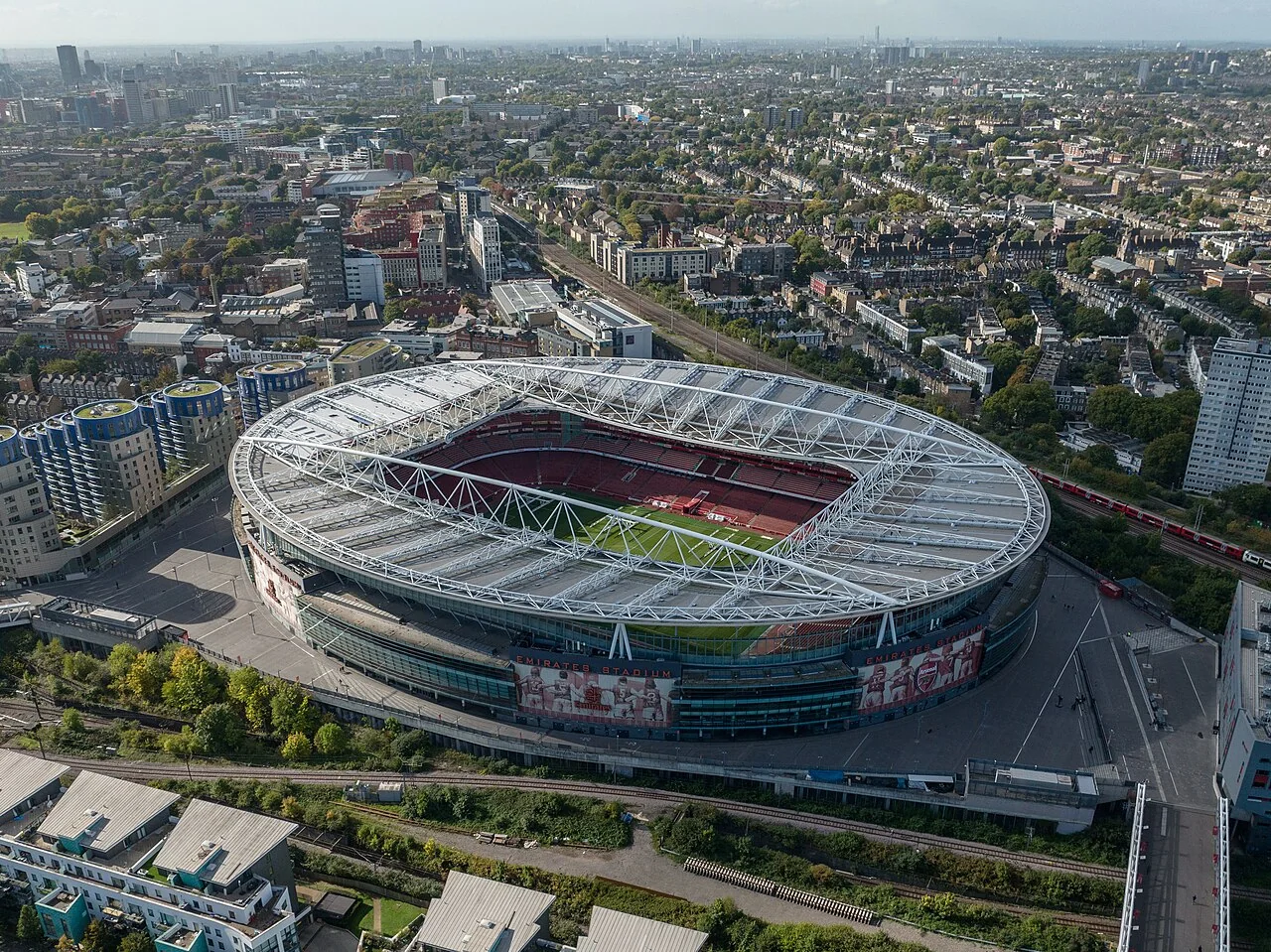
To buy Premier League 2026/27 tickets safely, begin on the home club’s official website and use only its ticket office, official exchange or a partner the club explicitly lists. A membership may unlock a sale or ballot, but it does not guarantee a seat. Club rules, release windows and availability change by match, so verify the live sales page before paying or booking non-refundable travel.
The home club remains the controlling source throughout the purchase: it defines who may buy, when inventory opens, how a ticket is delivered and which transfer or resale method is valid. That is why this guide gives a verification process rather than universal prices or dates. A rule copied from another club—or from a previous season—may not apply to your account or fixture.
The safest route to a Premier League ticket
The Premier League does not operate one public checkout for every match. Its ticket hub directs supporters to the individual clubs, and the home club controls eligibility, inventory, delivery and entry conditions. A seller is not authorised merely because it ranks highly in search, displays club badges or calls a package “official.” Follow a link published by the club itself.
- Choose the fixtureConfirm the home club and check the latest date and kickoff information.
- Read eligibilityIdentify membership, ballot, points or general-sale requirements before spending money.
- Use the club pathComplete checkout on the club’s domain or with a partner named by that club.
- Keep confirmationRetain the order email, account details and club instructions for digital delivery.
Verification should happen before entering card details. Open the seller from the club’s own ticket or hospitality page, check that the fixture and supporter area match your intention, and read the delivery terms inside the same official path. Search-engine placement, polished branding, customer reviews or a claim of “guaranteed seats” do not establish authorisation. If the path is unclear, the club ticket office can confirm it.

How memberships, ballots and loyalty rules work
Premier League clubs distribute scarce seats through their own systems. One club may open a member sale in phases, another may ask eligible members to enter a ballot, and another may prioritize supporters with attendance points. The label “membership” therefore describes an account benefit, not a standard league-wide ticket product with identical terms.
| Mechanism | What it usually does | What it does not promise |
|---|---|---|
| Membership | Unlocks an eligible window, ballot or exchange | A ticket for every chosen match |
| Ballot | Allocates purchase opportunities among eligible applicants | Success for every entrant |
| Loyalty points | Prioritizes qualifying purchase history | Access without the required points |
| General sale | Offers inventory remaining after priority stages | That any specific fixture will reach this stage |
Group buyers need to check account rules especially carefully. Some sales require every attendee to hold the correct membership or supporter number and to be linked through an approved friends-and-family function. A single eligible buyer may not be allowed to purchase for everyone. Confirm those requirements before a ballot or window opens so registration work does not consume the limited buying time.
Membership gives access, not a guaranteed seat
A membership normally improves eligibility; it does not guarantee a match ticket. High-demand fixtures can have more eligible members than available seats, so the club may use a ballot, sales queue or priority criteria. Read “priority access” and “ticket opportunity” literally rather than treating either phrase as a reservation.
Before buying, check which competitions and sale phases the membership covers, whether each attendee needs an account, when ballot registration closes, and whether the product renews automatically. Also read the refund terms. Paying a membership fee first and discovering that the target match has different eligibility is a preventable mistake.
Ballots, points and general sale are different routes
A ballot usually gives eligible applicants a chance to purchase; it is not a first-come queue and an unsuccessful entry produces no ticket. A points window ranks supporters by qualifying purchase or attendance history. General sale means the club has opened remaining inventory beyond its priority groups. Not every club uses all three methods.
For a first visit, study lower-demand fixtures and later official windows, but do not assume they will reach general sale. Demand changes with opponent, timing and team performance. The reliable approach is to read the fixture’s selling notice and satisfy its exact account and eligibility conditions rather than copying advice for another club.
When 2026/27 match tickets go on sale
There is no single Premier League on-sale date. Each club publishes its own fixture-by-fixture schedule and can change membership, ballot or ticket-use policies between seasons. A release pattern stated for one club must not be applied to another, and an old-season selling notice should not be treated as current 2026/27 guidance.
- Save the fixtureTrack it on the Premier League calendar, remembering kickoff details may change.
- Follow ticket newsSubscribe to the home club’s email or account alerts and bookmark its match-ticket page.
- Record every deadlineNote membership purchase cutoffs, ballot registration and assigned buying windows separately.
- Check againRevisit the official page after broadcast or fixture changes and before arranging travel.
A fixture appearing on the league schedule does not mean its individual tickets are already available, and a ticket sale does not freeze the kickoff time. Overseas visitors should wait for both a valid ticket and sufficiently firm match details before committing to inflexible transport or accommodation. Club terms remain the controlling source at checkout.
Treat the process as a chain of separate milestones: fixture publication, membership or ballot registration, a purchase window, a successful allocation, digital-ticket delivery and final matchday confirmation. Missing one deadline can end the route even when later inventory exists. Conversely, an order confirmation may arrive well before the mobile ticket. Record each stage rather than expecting one email to settle the entire trip.
Which official buying channel should you use?
Start with standard match-ticket inventory. If it is unavailable, look for the home club’s own exchange and official hospitality pages. These are different products with different eligibility, inclusions and cost, but all remain club controlled. An unrelated marketplace is not an equivalent fallback simply because it claims to have seats when the club is sold out.
Choose by product and eligibility, not by a seller’s urgency. Standard inventory is the ordinary admission route; an official exchange reissues a returned seat under club rules; hospitality bundles admission with specified services. The latter may suit a visitor who values certainty or extras, but it should be compared on its full terms. None of the three makes a non-club marketplace authorised.
Club sales and official ticket exchanges
An official Ticket Exchange lets eligible season-ticket holders return seats they cannot use and allows the club to reissue that inventory under its own rules. Tottenham and Liverpool both publish club-run exchange processes, illustrating the crucial distinction: the transaction stays inside the issuer’s controlled system rather than moving to an open marketplace.
Returned seats can appear at unpredictable times, so sign in with the correct supporter account and check the live fixture page repeatedly. Confirm whether membership or another criterion is required before a seat appears. An exchange’s existence does not guarantee stock, but it can create legitimate availability after an initial sale is exhausted.
Official hospitality for a different product
Official hospitality combines a match ticket with additional services or seating and may have inventory separate from ordinary admission. Compare the exact seat location, food or lounge inclusions, dress rules, cancellation terms and total checkout cost. Because products differ greatly, a universal Premier League hospitality price would be misleading and is not used here.
A hospitality label does not prove authorisation. The Premier League specifically warns that bundling a ticket with travel, accommodation or hospitality is not evidence that the seller may supply it. Reach the provider through the club’s official page and, if uncertain, ask the club to confirm the company before payment.
What digital ticketing changes in 2026/27
Premier League rules make digital tickets the default for home and away match tickets from 2026/27. Clubs manage delivery and support, and the league guidance allows clubs discretion for supporters with reasonable grounds for another format, including some accessibility or group situations. Newly promoted clubs also had a phased implementation allowance, so always follow the current club instructions.
- Use the assigned accountMake sure the ticket is linked to the correct supporter identity and club account.
- Follow download instructionsAdd it to the specified wallet or app before leaving for the stadium.
- Prepare the deviceCharge the phone, enable required settings and read the club’s troubleshooting guidance.
- Transfer only officiallyUse the club’s approved forwarding or exchange function rather than sending a screenshot.
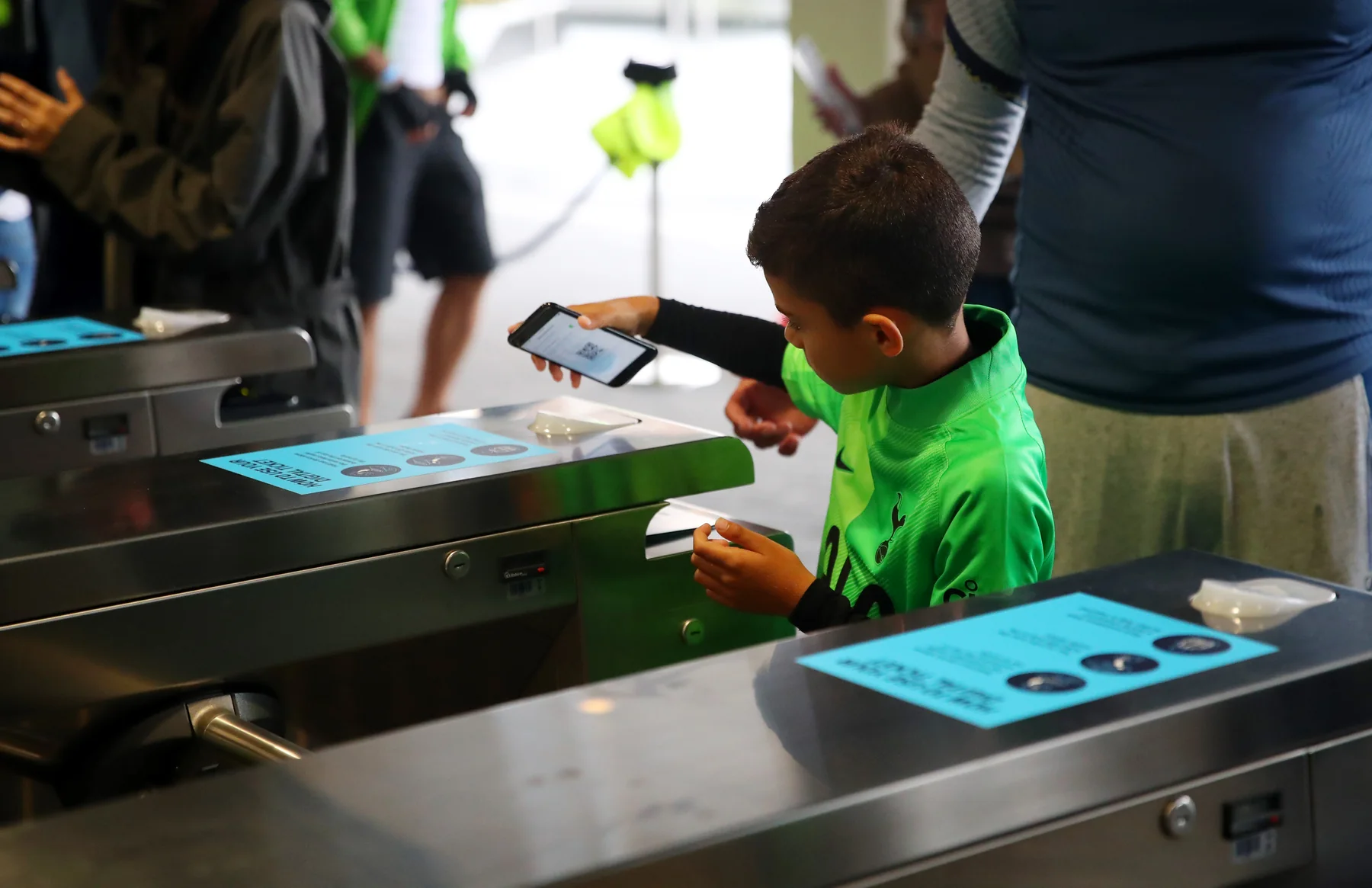
Digital tickets can use hidden or changing barcode features and assignment to a registered supporter to reduce misuse. That is why a static screenshot or forwarded image may not work even when it looks convincing. If you cannot use the default format, contact the club early; do not wait until the turnstile to request help.
How to avoid Premier League ticket scams
Buying outside an authorised channel can leave you with a fake, cancelled or nonexistent ticket, the wrong supporter area, lost money or compromised personal data. UK guidance also explains that unauthorised resale of designated football-match tickets is restricted in England and Wales. That legal point concerns seller authorisation and is general information, not advice on an individual case.
The practical test is simple: can the home club confirm the route? Search ads, professional design, reviews, barcode images and an urgent message do not establish permission. If the provider does not appear on the club’s own ticket or hospitality pages, stop and ask the club before sending personal details or money.
Warning signs before you pay
- The seller moves a social-media conversation to private messaging and demands quick payment.
- Payment must be made by bank transfer to a personal account.
- The stand, row or seat is unclear, or the seller promises large quantities for a sold-out match.
- Tickets appear implausibly early, before the club has published a selling notice.
- Collection is at a hotel or unrelated location, or a device/card must later be returned.
- The site admits it is unofficial while using club imagery or a hospitality bundle to appear authorised.
No single red flag is a complete fraud test, and a realistic-looking offer can still be invalid. Treat any sign as a reason to pause, then verify the exact seller or partner through the home club. Do not let scarcity or a travel deadline replace that check.
False reassurance can be as dangerous as an obvious warning. A screenshot may show a barcode that changes before entry; a genuine-looking seat description may refer to inventory the seller does not control; and a plausible price may still accompany an invalid transfer. Reviews describe past claims, not your ticket’s assignment. Only the club-controlled record can establish whether the route and ticket are valid.
What to do if a seller or ticket looks suspicious
- Stop the transactionDo not send another payment, identity document or account code.
- Verify with the clubAsk whether the seller, ticket format or transfer route is authorised.
- Preserve evidenceSave the URL, messages, payment details and confirmation without altering them.
- Contact the payment providerAsk promptly about available fraud or dispute procedures.
- Report appropriatelyUse the club, platform and relevant fraud-reporting channel for your location.
Acting quickly can reduce further loss, but neither ticket validity nor recovery of funds can be promised. Do not test a suspicious ticket by travelling to the stadium. The club can explain its own ticket record and entry rules; a payment provider or reporting authority handles the financial or fraud process.
Give each organization the evidence it can use. The club can check whether a seller, transfer route or ticket identifier belongs to its system. The payment provider can explain available dispute steps for the method used. A platform can preserve or remove a fraudulent listing, while the relevant reporting authority records the incident. Contacting all of them does not guarantee recovery, but it prevents relying on the suspect seller alone.
Frequently asked questions
The answers below reflect official guidance rechecked on 6 August 2026. They cannot replace a live club selling notice: membership benefits, inventory, ballot deadlines and digital-ticket instructions may change by club, fixture and sales phase.
Use each answer as a decision rule, then confirm the current fixture page before spending. A later club notice overrides this general guide for that club’s transaction.
Do you need membership to buy Premier League tickets?
Often, but not universally. Many high-demand club sales, ballots and official exchanges prioritize or require members. Some fixtures may reach general sale, while official hospitality can have different eligibility. Read the target match’s current selling notice before buying a membership, because membership normally creates access to an opportunity rather than guaranteeing a seat.
When should you check for match-ticket sales?
Start monitoring the home club as soon as its fixture and membership information is available. Subscribe to official alerts, then record the match-specific ballot, points or sales deadline. There is no league-wide lead time. Recheck after kickoff changes and before travel, because a scheduled match, an open sale and a final match time are separate milestones.
Is third-party Premier League ticket resale safe?
Do not use an unauthorised third-party reseller. The ticket may be void, fake or never delivered, and unauthorised football-ticket resale carries additional legal risk in England and Wales. Use the club’s official Ticket Exchange or a partner the club explicitly lists. If the authorisation cannot be confirmed on the club website, ask the club before paying.
Comments
Ask a useful question or share a helpful tip. Comments are reviewed before publication.
Loading comments…